Uma Hansen · 10 November 2026
Ancient Grains Reveal Steinhain's Settlement Legends Through Baker and Storyteller Networks
Local bakers and storytellers in Steinhain have developed collaborative projects that connect preserved grain varieties from earlier centuries to the town's founding narratives, and these efforts rely on coordinated use of archival records along with established trail networks that cross the surrounding countryside. Researchers have documented how specific grain types, including older strains of rye and wheat, appear in settlement accounts dating back several hundred years, while community participants cross-reference those references against physical samples maintained in regional collections. Data from agricultural heritage studies shows that such grains often match descriptions in early land deeds and migration logs, which creates direct ties between material evidence and oral traditions passed through generations.
Shared Archives Drive Grain Identification
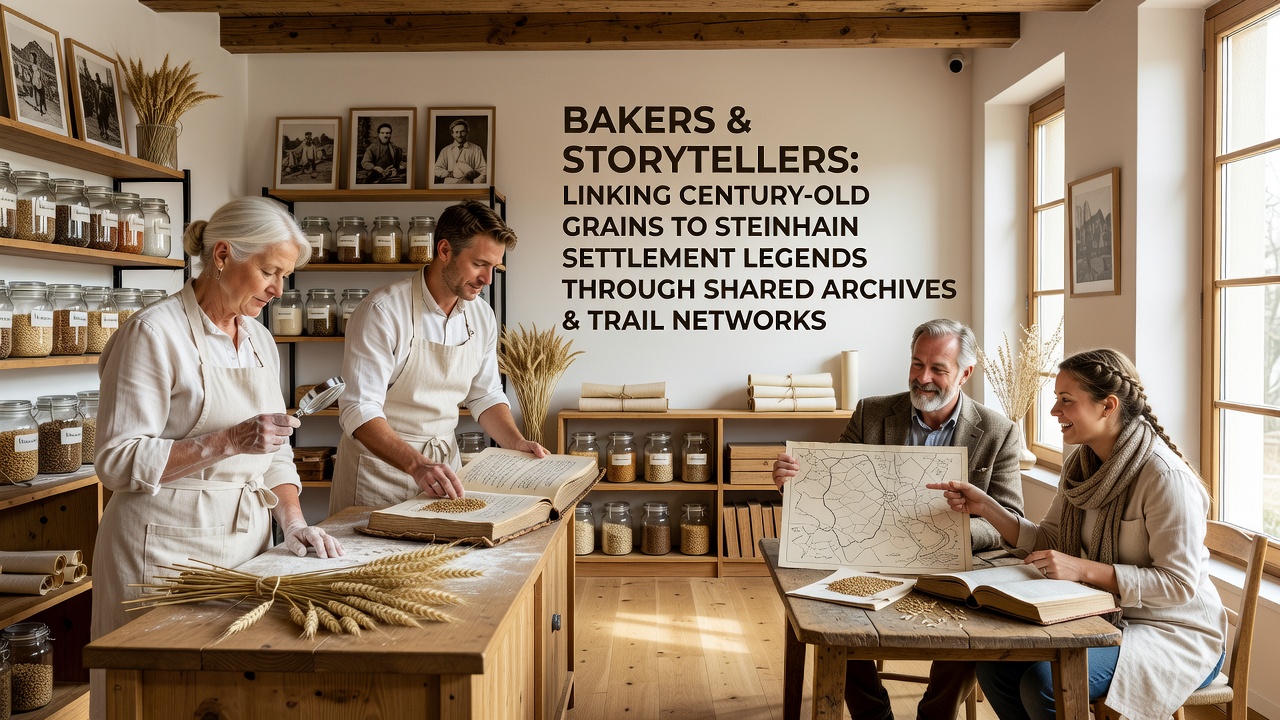
Archivists at local repositories have compiled records that include seed inventories from the 1700s and 1800s, and bakers now use those lists to locate matching grain stocks still grown on nearby farms. Storytellers access the same documents to locate passages that describe planting rituals or harvest celebrations tied to the original settlement period, which allows both groups to verify details against one another. One project completed in 2025 demonstrated that a particular emmer wheat variety mentioned in boundary surveys matched samples recovered from storage facilities, and participants presented the findings during public sessions held at community halls. Figures from the Food and Agriculture Organization indicate that heritage grain preservation programs have expanded across European regions in recent years, with similar archive-based methods applied in multiple rural districts.
Trail Networks Connect Physical Sites
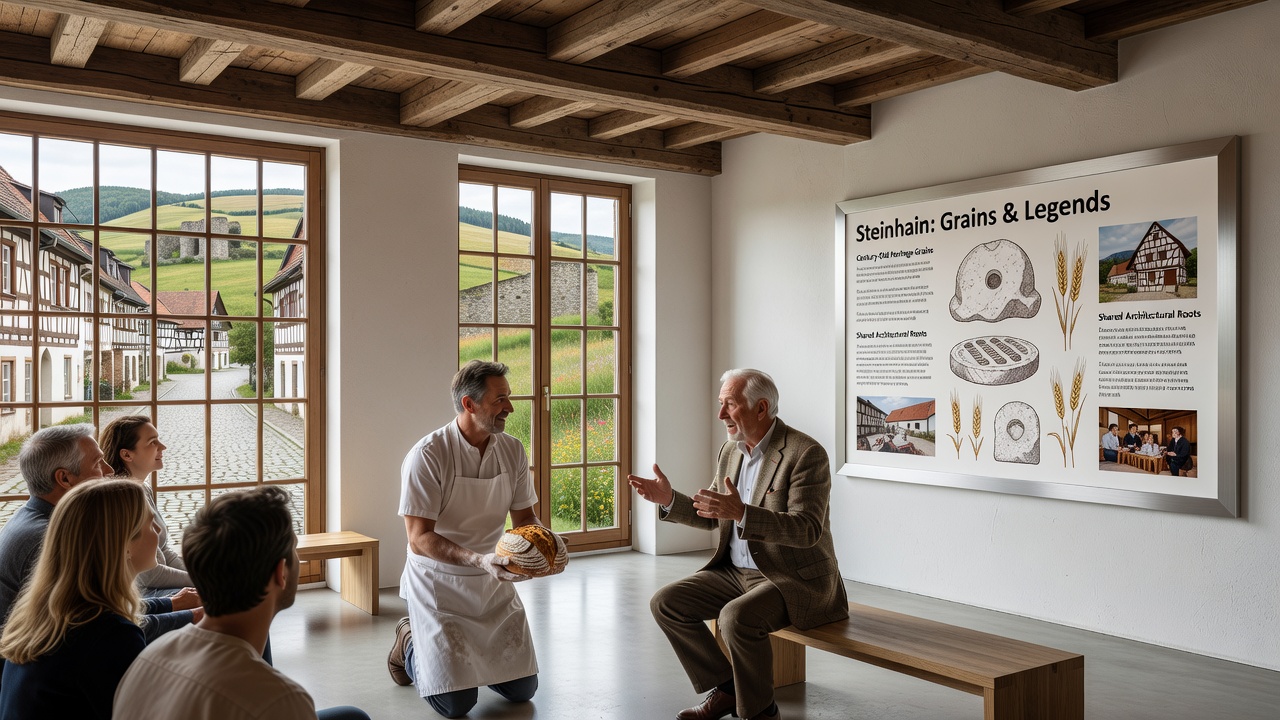
Established walking paths that link former mill sites, farmsteads, and meeting points serve as routes for joint expeditions, and these networks allow bakers and storytellers to visit locations referenced in the archives while carrying grain samples for on-site comparison. Trail maintenance records from regional authorities note that several routes received upgrades in the past decade to accommodate educational groups, while maps maintained by local heritage organizations mark points where grain cultivation historically occurred. Participants report that walking these paths provides context for legends describing how early settlers transported seed stocks across specific terrain features, and the physical experience reinforces details found in written accounts. November 2026 events scheduled along these trails will feature demonstrations of grain processing techniques drawn from archival recipes, with storytellers presenting accompanying narratives at designated stops.
Collaborative Methods Produce New Documentation
Joint working groups have produced updated catalogs that combine grain analysis data with transcribed settlement stories, and these catalogs now serve as reference materials for schools and tourism operators in the area. University researchers from institutions in Canada and Australia have contributed comparative studies on similar grain preservation projects, which shows that Steinhain's approach aligns with methods used in other temperate climate zones where archival and trail-based verification occurs. Evidence collected through soil sampling along the trails confirms cultivation patterns consistent with the documented grain types, and bakers incorporate the verified varieties into seasonal baked goods that carry labels referencing the linked legends. Those labels direct consumers to the shared archives for further reading, which extends the reach of the project beyond direct participants.
Future Plans Build on Existing Connections
Planning documents for 2026 and beyond outline expanded digital access to the combined archives and trail maps, while additional partnerships with agricultural research stations aim to test more grain varieties against historical references. Observers note that the integration of baking practices with storytelling sessions has increased public attendance at archive events, and trail usage statistics from the past two years reflect higher numbers of guided visits focused on grain heritage. The approach continues to draw from established records rather than new interpretations, which maintains consistency with the factual basis established through prior documentation efforts.
Conclusion
Steinhain's bakers and storytellers maintain ongoing work that links preserved grains to settlement accounts through systematic use of archives and trail networks, and the projects scheduled for November 2026 will extend those connections to broader audiences. The methods rely on verifiable records and physical sites, which produces documentation available for continued reference across community and research channels.