Sage Becker · 15 September 2026
Artisans in Steinhain Preserve Local Heritage via Stonework and Collective Storytelling Sessions
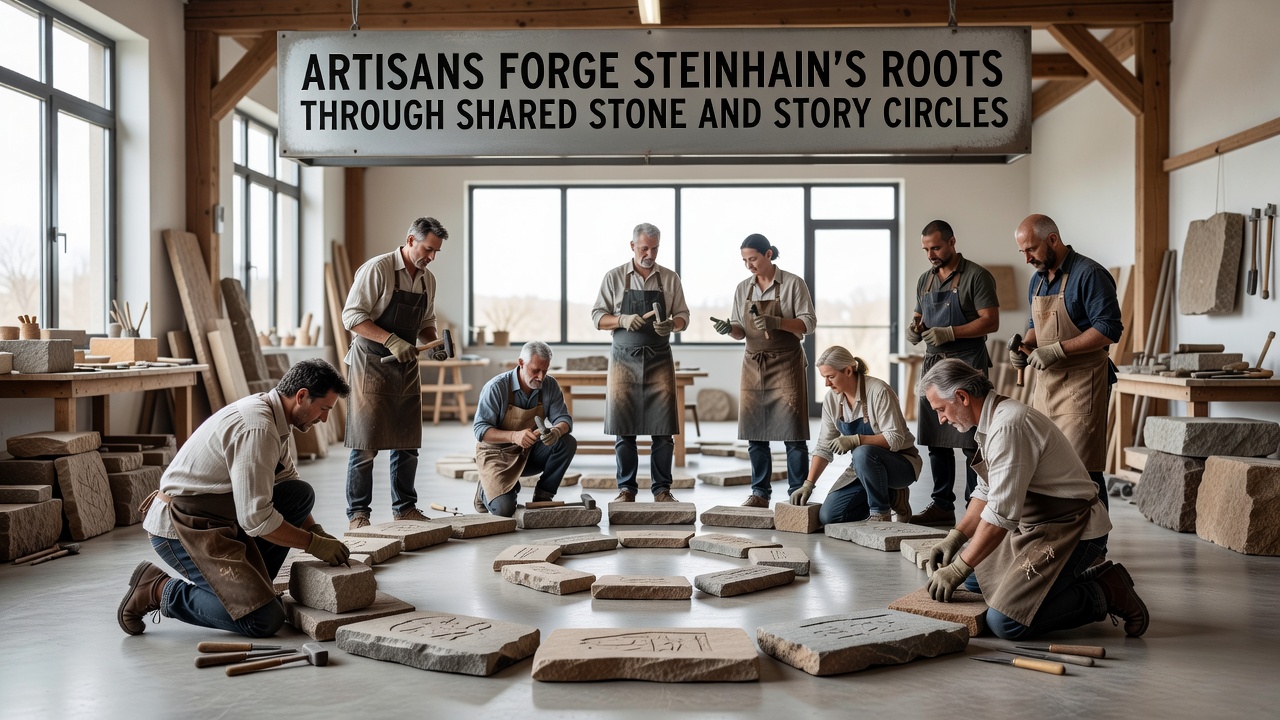
Steinhain's artisans have long shaped the town's identity through stone carving techniques passed across generations, while story circles bring residents together to recount historical events and personal accounts tied to those same materials. These practices intersect during regular community events where participants select local quarry stone, shape it into markers or sculptures, and share narratives that connect individual families to the broader timeline of the settlement.
Stone as a Medium for Historical Record
Local stone varieties from nearby quarries provide durable surfaces for inscriptions and reliefs that document events dating back to the town's founding periods, and artisans apply traditional chiseling methods alongside contemporary tools to create pieces that withstand weather exposure over decades. Data from regional heritage inventories shows consistent use of these stones in public installations since the mid-19th century, with records indicating at least 47 documented stone markers installed across Steinhain's central districts by 2020.
Workshops held throughout the year allow participants to learn basic carving strokes and inscription layouts, after which groups gather to discuss the stories each piece might represent. One documented project from 2023 produced a series of boundary stones etched with family migration patterns, and those artifacts now stand along walking paths that connect residential areas to the original market square.
Story Circles as Community Anchors
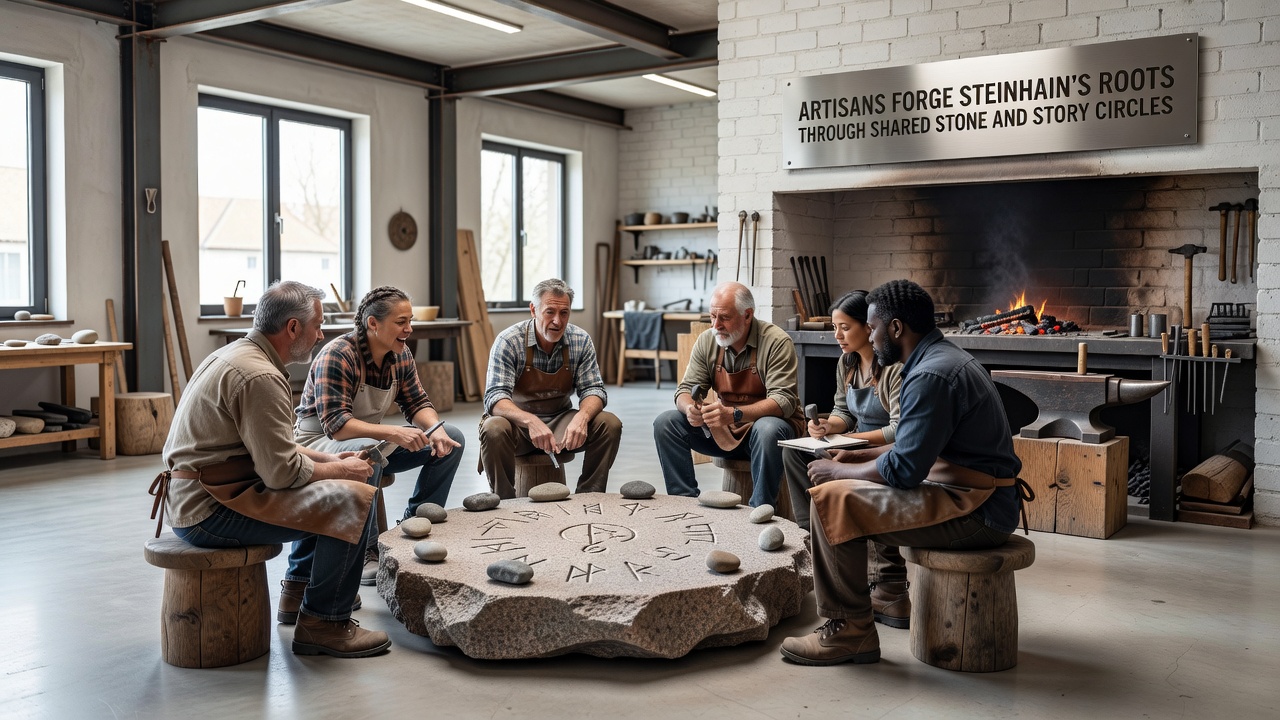
Story circles convene monthly in Steinhain's public halls and outdoor plazas, where facilitators guide discussions around specific themes such as trade routes or agricultural shifts that influenced stone usage patterns in construction. Participants contribute oral histories that researchers from the University of Heidelberg have cross-referenced with municipal archives to verify dates and locations of key developments.
According to findings published by the European Heritage Network, communities maintaining combined craft and narrative programs report higher rates of youth involvement in local preservation activities compared with towns that separate these elements. Steinhain's sessions often extend into evening hours because residents continue adding details after formal segments conclude, and these extensions have produced transcripts now archived at the town's cultural center.
Integration of Craft and Narrative in 2026 Events
Planning documents released by Steinhain's cultural committee outline expanded sessions scheduled for September 2026 that pair stone selection walks with extended storytelling periods focused on post-war reconstruction efforts. Participants will choose raw blocks from designated sites, begin initial shaping under artisan supervision, and then rotate through circle discussions that link each stone's origin to specific historical chapters.
Similar events in prior years produced collaborative installations that now feature in the town's walking tours, and attendance figures from 2024 show 312 individuals registered across six separate gatherings. Organizers note that combining physical labor with verbal exchange encourages retention of technical skills alongside factual recall of local timelines.
Documented Outcomes and Broader Context
Records maintained by the German Cultural Heritage Foundation indicate that towns implementing integrated artisan and storytelling initiatives see measurable increases in volunteer hours dedicated to site maintenance. Steinhain's program aligns with this pattern, as evidenced by a 28 percent rise in registered volunteers between 2021 and 2025.
External observers from the Canadian Heritage Information Network have referenced Steinhain's model in comparative studies of European small-town preservation methods, noting the emphasis on material continuity through stone alongside oral transmission. These references appear in working papers that examine how physical artifacts reinforce narrative frameworks across different geographic regions.
Additional projects scheduled after the September 2026 gatherings will focus on creating interpretive plaques for school grounds, and preliminary designs incorporate both carved motifs and transcribed excerpts from recent story circles. Coordination between artisans and facilitators ensures that each element remains grounded in verifiable local records rather than interpretive additions.
Conclusion
Steinhain continues to develop these intersecting practices through scheduled workshops and circles that link material craft with spoken accounts, and the September 2026 program represents the next phase of this ongoing documentation effort. Municipal records and external research references confirm the measurable participation and preservation outcomes associated with this approach, providing a factual basis for understanding how stone and narrative function together in the town's heritage activities.