Parker Schwarz · 29 September 2026
Community Partnerships Preserve Steinhain's Founding Narratives Through Student-Elder Oral History Projects
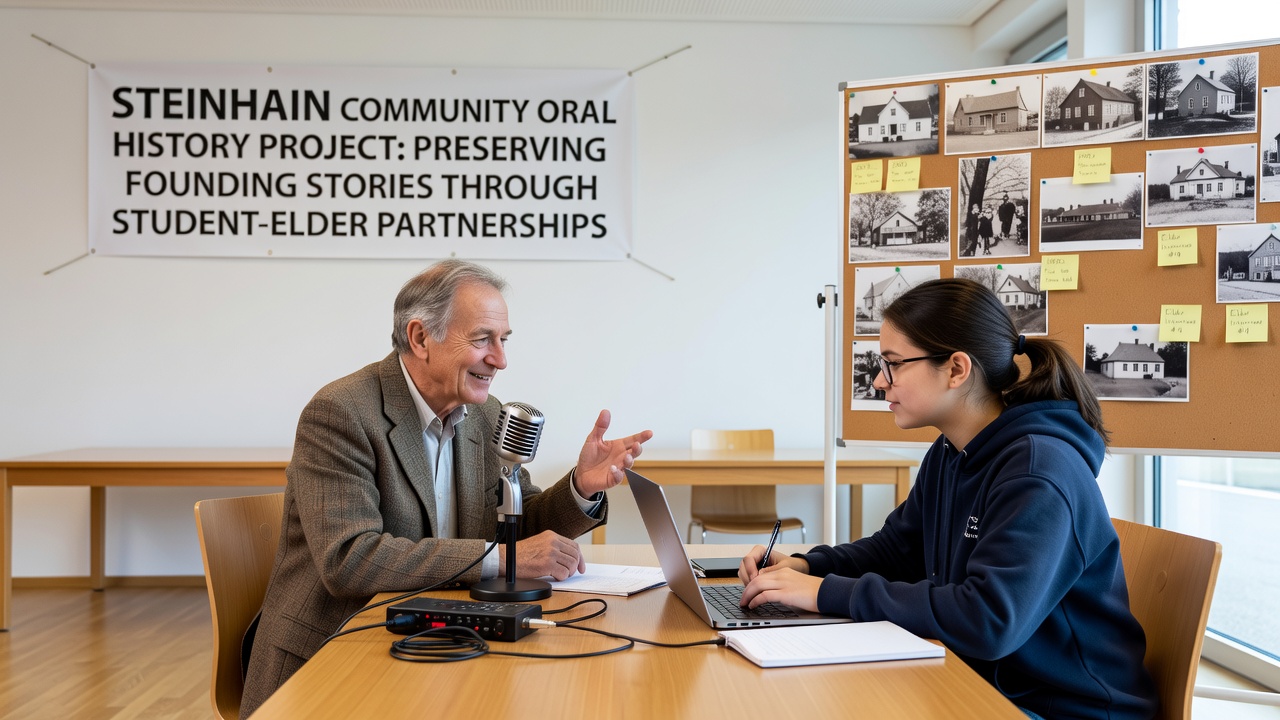
Steinhain's founding stories have taken new shape through coordinated oral history programs that link local students with longtime residents, and these efforts continue to expand as participants document narratives passed down across generations. Organizers established the core structure in 2023 when community volunteers identified gaps in written records and began recruiting pairs to conduct structured interviews.
Program Structure and Daily Operations
Each partnership operates on a schedule that includes weekly sessions at the town library or community center, where students prepare questions in advance while elders share accounts of early settlement patterns, trade routes, and family migrations that shaped the area before 1800. Training materials developed by the Steinhain Heritage Society guide both groups on recording equipment use, consent forms, and transcription standards, and these resources draw from established protocols used by similar projects elsewhere.
Participants record sessions on digital devices that store audio files in a centralized archive managed by the local historical commission, and transcripts undergo review by multiple readers to maintain accuracy before they enter the public database. The process incorporates cross-checks with land deeds and church registers whenever possible, which helps verify names, dates, and locations mentioned during conversations.
Expansion Plans Set for September 2026
Project leaders announced that the initiative will add ten new student-elder pairs in September 2026, bringing the total to forty active teams and extending coverage to outlying hamlets that were part of the original township boundaries. Funding for the expansion comes from a combination of municipal grants and private donations earmarked specifically for equipment upgrades and translation support into English and French for wider accessibility.
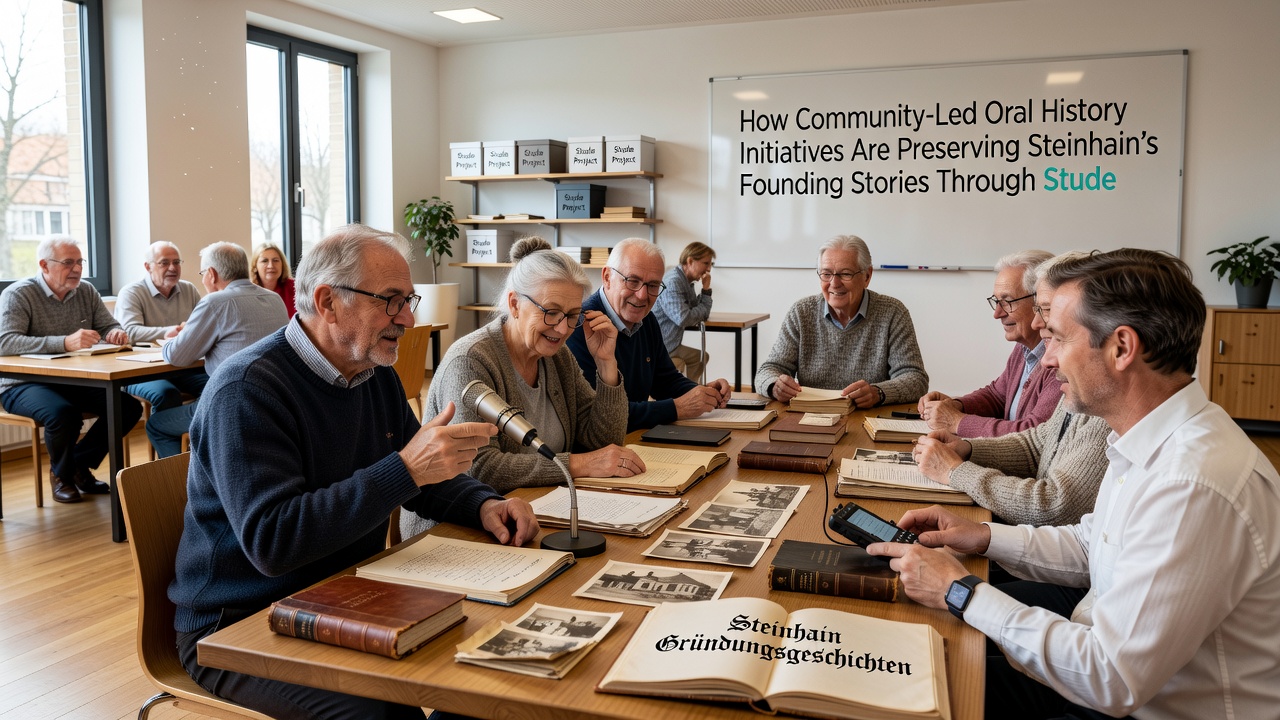
According to records maintained by the Steinhain Historical Commission, early interviews have already captured details about the first sawmill construction and the seasonal market fairs that connected the settlement to larger trade networks in the region. These accounts fill in specifics missing from official documents, such as informal land-sharing agreements and the roles of women in maintaining supply lines during harsh winters.
Documentation Methods and Archival Integration
Researchers working with the project apply consistent indexing categories that tag stories by theme, including agriculture, migration, conflict resolution, and religious practices, while metadata entries note the date of each interview along with participant names and locations. The archive connects directly to the town's digital map platform, allowing users to click on specific sites and hear related audio clips from elders who lived or worked there.
One case involved a student who recorded an elder describing the layout of the original blacksmith shop, and cross-referencing with property maps confirmed the structure's position near the river crossing that later became the main road. Such integrations strengthen the reliability of the collected material for future academic use and local education programs.
Broader Connections to Heritage Preservation
Similar student-elder models appear in other communities, and data compiled by the Library of Congress National Recording Preservation Board shows that paired interview formats increase retention of dialect-specific phrases and contextual details that single-interviewer approaches sometimes overlook. Steinhain's version adapts these findings to local needs by adding seasonal field visits where pairs visit preserved structures together.
Additional support comes from guidelines published by Australia's National Museum on community-driven oral history, which emphasize consent protocols and long-term storage solutions that Steinhain organizers adopted during the initial setup phase. These references help standardize practices without overriding the town's specific cultural context.
Conclusion
The ongoing work in Steinhain demonstrates how structured student-elder partnerships convert personal recollections into accessible records that supplement existing historical sources. As the September 2026 expansion approaches, the archive continues to grow with new entries that connect individual stories to the wider timeline of the town's development, and the resulting collection remains available through the heritage society's online portal for researchers, educators, and residents alike.