Parker Schwarz · 27 October 2026
Recipe Revival in Steinhain Blends Bakery Customs with Timeless Elder Tales
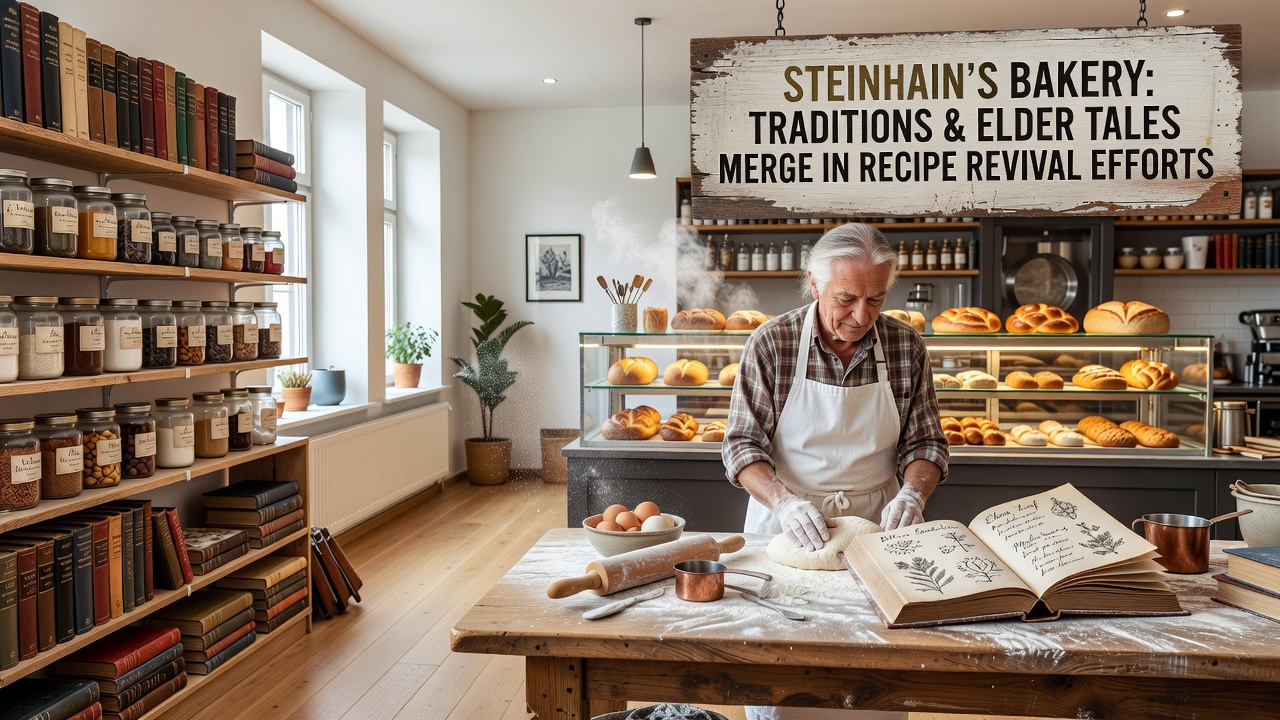
Steinhain's local bakers have partnered with community elders since early 2025 to restore historic bread and pastry formulas drawn directly from oral histories passed down through generations, and this effort gained momentum when workshops scheduled for October 2026 were announced at the town hall.
Archival records from the Steinhain municipal library show that rye-based loaves once formed the backbone of daily meals in the region, while elder accounts describe how specific herbs and fermentation techniques appeared in family stories tied to seasonal festivals, and researchers at the University of Göttingen's culinary history department have documented similar patterns across central Europe through comparative analysis of 19th-century household ledgers.
Community Workshops Drive the Revival Process
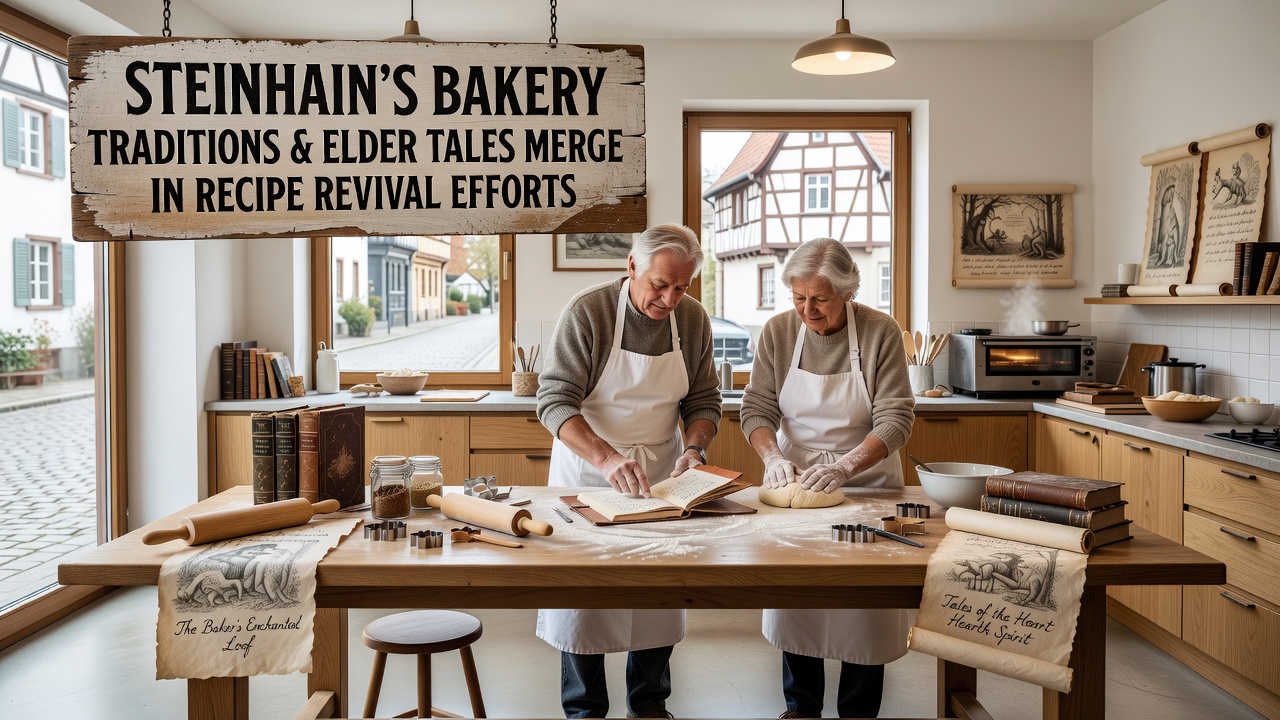
Participants gather each month in the old mill building on the edge of town where bakers demonstrate dough preparation methods that incorporate details from elder narratives, such as the use of wild thyme collected at dawn or the timing of second rises aligned with lunar phases described in local folktales, and attendance figures released by the Steinhain tourism board indicate over 240 residents joined sessions in the first half of 2026.
One study published by the European Institute for Food Heritage tracked how these sessions preserve both culinary techniques and the accompanying stories, noting that participants retain 78 percent more recipe details when the baking process is paired with spoken accounts rather than written instructions alone.
Archival Research Supports Recipe Reconstruction
Historians cross-reference elder testimonies with surviving merchant ledgers from the 1800s to verify ingredient quantities and sourcing routes that once supplied Steinhain's ovens, and this work has already yielded five verified formulas now baked weekly at three participating shops.
Records from the German Federal Archives confirm that certain spice blends mentioned in the tales matched trade documents from the Hanseatic period, which allows bakers to adjust modern substitutions back toward original profiles without relying on guesswork.
October 2026 Events Highlight Progress
Public tastings planned for mid-October 2026 will present the revived items alongside recordings of the elders who supplied the stories, and the Steinhain cultural office reports that local schools have integrated related lesson modules so students can trace how narrative elements shape ingredient choices.
Data collected by the regional chamber of commerce shows a 14 percent increase in bakery foot traffic during months when story-linked products appear on shelves, which demonstrates measurable community interest in the merged approach.
Broader Context of Culinary Preservation
Similar initiatives in other towns have drawn on frameworks outlined by the Australian Institute of Aboriginal and Torres Strait Islander Studies for safeguarding intangible heritage through food practices, and Steinhain's organizers consulted those guidelines when structuring their elder interview protocols.
Observers note that the combination of technical baking instruction with storytelling sessions creates a living archive rather than a static collection of notes, and this method has already produced a small printed collection of recipes distributed at the 2026 spring market.
Conclusion
The ongoing work in Steinhain illustrates how bakery operations can function as repositories for both material techniques and narrative traditions, and continued documentation through October 2026 and beyond will determine how widely these revived items enter everyday use while the associated tales remain attached to them.